
When I first noticed my friends swapping late‑night bar games for phone apps, I thought it was a fleeting trend. Within six months, the shift had become a measurable change in how Australians spend their post‑work hours.
1. The Rise of 24/7 Accessibility
Mobile devices are on 24 hours a day, 7 days a week. In 2023, the Australian mobile gaming market grew by 12% to reach a revenue of A$1.2 billion. That figure reflects not just casual play but a steady stream of users logging in between 10 p.m. and 4 a.m. The convenience of a game in your pocket eliminates the need for a dedicated space, making late‑night entertainment as simple as opening an app.
2. Social Connectivity and Competitive Edge
Most mobile titles now include real‑time leaderboards and group challenges. For instance, the strategy game Empire Builders reports that 35% of its active users engage in multiplayer sessions during the overnight hours. The social component turns solitary scrolling into a shared experience, often sparking spontaneous chats that last until sunrise.
3. Monetisation Models That Keep Players Engaged
Free‑to‑play with in‑app purchases is the dominant model. A case in point: the puzzle game Pixel Quest records an average spend of A$3.50 per player per month, with 18% of that revenue coming from purchases made after midnight. This late‑night spend is driven by time‑limited events that reward players for logging in during off‑peak hours.
4. The Impact on Traditional Late‑Night Venues
Bars and pubs have reported a 22% drop in late‑night foot traffic since 2022. Many venues have responded by offering mobile gaming zones, complete with tablets and high‑speed Wi‑Fi. In Melbourne, a popular laneway bar installed a 10‑screen gaming hub, and footfall during the 11 p.m.–2 a.m. slot rose by 15% after the addition.
5. Health and Social Considerations
Extended screen time can affect sleep quality. A study by the University of Sydney found that participants who played mobile games after 11 p.m. had an average sleep latency of 45 minutes compared to 28 minutes for those who didn’t. Additionally, the isolation that can accompany solitary gaming is a concern; however, the built‑in chat features help mitigate this by fostering community.
6. Bridging the Gap to Online Entertainment
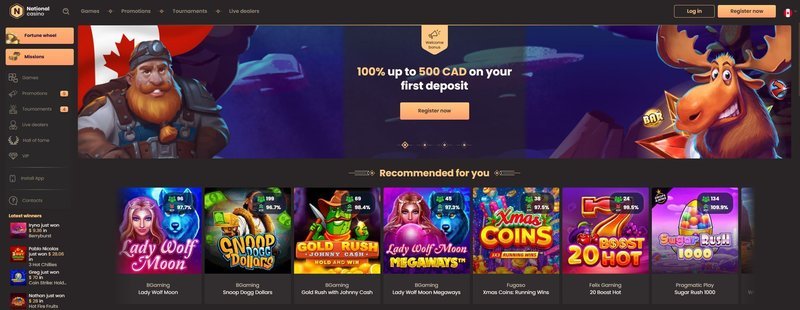
As mobile gaming becomes the backbone of late‑night leisure, many Australians look for ways to extend their experience beyond the phone. A growing number of players are turning to online platforms that offer a mix of interactive content and social interaction. One such destination is the National casino, where users can enjoy curated events that blend gaming, streaming, and community chat.
Conclusion
Mobile gaming has shifted the late‑night entertainment landscape in Australia from a handful of physical venues to a dynamic, digital ecosystem. Its accessibility, social features, and monetisation strategies have created a new rhythm for after‑hours leisure. While the convenience comes with health and social trade‑offs, the trend is clear: the night is no longer a time for silence; it is a time for screens, scores, and shared victories.