
Exploring the cultural significance of gambling across the globe
Historical Roots of Gambling
The origins of gambling can be traced back thousands of years to ancient civilizations. Archaeological evidence suggests that games of chance were prevalent in Mesopotamia, while ancient Chinese and Roman cultures also engaged in various forms of gambling. These early activities not only served as entertainment but also played a role in religious and social ceremonies, emphasizing their importance in cultural practices. Today, those interested in a comprehensive gaming experience can explore options at the Alawin official website, which showcases diverse offerings for players.
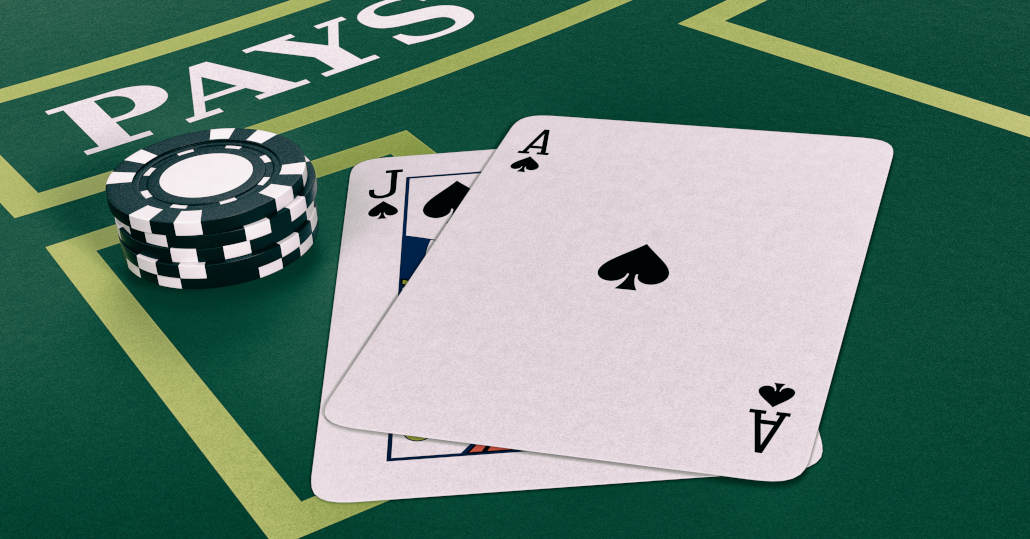
As societies evolved, so did their approaches to gambling. Different regions developed unique forms of betting, influenced by local customs and available resources. From the sacred dice of ancient priests to the state-sponsored lotteries of the Middle Ages, gambling became intertwined with the political and economic fabrics of cultures across the globe.
Gambling and Social Structure
The social implications of gambling are profound, acting as a mirror to the values and dynamics of a community. In many cultures, gambling is seen as a bonding activity, fostering relationships and camaraderie among participants. However, it can also reflect social disparities, with the wealthy often engaging in high-stakes games that the less fortunate cannot afford.
Moreover, gambling can create a subculture that includes both enthusiasts and detractors. While some view it as a harmless pastime, others raise concerns about addiction and social consequences. This duality contributes to ongoing debates about regulation and responsible gambling practices within various societies.
The Role of Gambling in Religion and Mythology
Throughout history, gambling has often intersected with religious beliefs and mythologies. Many cultures have incorporated games of chance into their spiritual practices. For instance, in some Indigenous cultures, dice games were considered a way to communicate with deities, reflecting the belief that luck and fate were intertwined with spiritual forces.
This connection extends to mythology, where gods and supernatural beings frequently engage in games of chance, influencing human lives. These narratives not only highlight the significance of luck and fortune but also suggest that gambling has been viewed as a means of accessing higher powers and destiny across various cultures.
Modern Perspectives on Gambling
In the contemporary world, the perception of gambling has shifted significantly. While once seen predominantly as a vice, it is increasingly recognized as a legitimate form of entertainment, especially with the advent of online gaming. This transformation has sparked discussions about its regulation, particularly concerning addiction and its impact on mental health.
Furthermore, innovations in technology have made gambling more accessible than ever. The rise of online casinos and mobile betting apps has created a global gambling community, allowing individuals from different backgrounds to engage in games from the comfort of their homes. This accessibility has led to a reassessment of gambling’s place in society and its potential to contribute to economic growth.

Conclusion: A Global Perspective on Gambling
As we explore the cultural significance of gambling, it becomes clear that it is a complex phenomenon rooted in history, society, and spirituality. The way gambling is perceived and practiced varies widely across cultures, reflecting local values and traditions. From its ancient origins to its modern evolution, gambling continues to shape social interactions and cultural identities worldwide.
In a world where the gambling landscape is constantly changing, platforms like online casinos are at the forefront of this cultural dialogue. They offer diverse gaming experiences while prioritizing player safety and satisfaction. Understanding the cultural significance of gambling allows players to engage more thoughtfully in this age-old pastime, appreciating its complexities and contributions to society.